
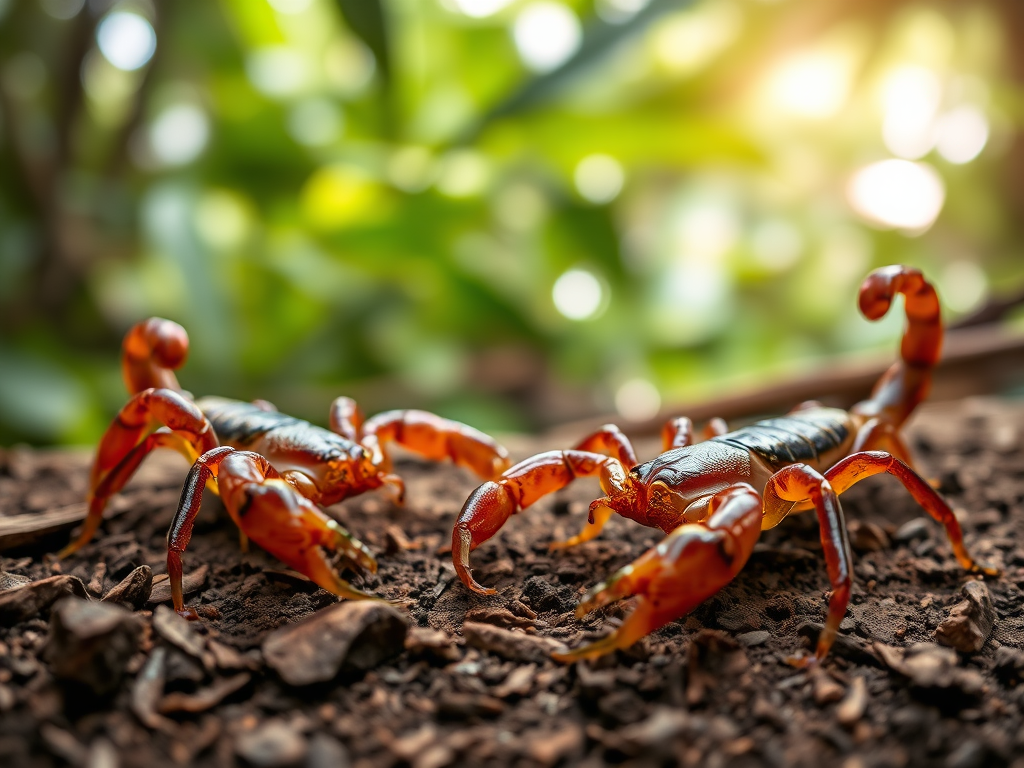

Panama is a tropical paradise, a vibrant hub of biodiversity, business, and culture. For the thousands of expats and tourists who flock here, it’s an incredible place to live and explore. But like any tropical destination, Panama comes with its share of wildlife, including scorpions (known locally as alacranes).
The thought of finding a scorpion in your shoe or shower is a common concern for many newcomers.
The good news: The vast majority of scorpion stings in Panama are not life-threatening.
However, the country is home to a few species whose venom is medically significant and requires immediate medical attention.
As your dedicated health partners in Panama, Doctors and Home and the house-call team led by Dr. Alejandro Viluce have prepared this guide based on the official protocols from the Panamanian Ministry of Health (MINSA). We want you to enjoy Panama with peace of mind, knowing exactly how to identify the risk and what to do if you or a loved one is stung.
Are All Scorpions in Panama Dangerous?
No, thankfully. Of the dozens of species in Panama, only those belonging to the Tityus genus are considered medically important.
There is a common myth: «The big black ones are harmless, and the small yellow ones are deadly.» While there is some truth to this, it’s not a reliable rule.
Not all scorpions are created equal. In Panama, the danger level is determined by the scorpion’s genus.
The Dangerous Scorpion: Tityus Genus This is the only genus in Panama considered a significant public health risk. The most notable species include Tityus pachyurus and Tityus cerroazul.
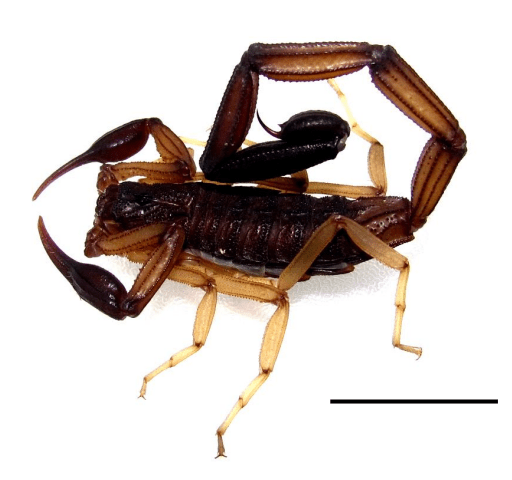
How to Identify: The easiest rule of thumb is to look at the pincers (pedipalps) and tail (metasoma). Tityus scorpions tend to have long, thin pincers and a thick, powerful-looking tail.
The Common Scorpion: Centruroides Genus This is the scorpion you are most likely to encounter. Species like Centruroides granosus (formerly margaritatus) are extremely common in urban and residential areas, including Panama City.
How to Identify: They tend to have large, fat pincers (like a small crab) and a proportionally thinner tail.
The Sting: While very painful, their sting typically causes only local symptoms (pain, redness, tingling) and is not considered a systemic threat.
Tityus

Centruroides
🦂 PITFALLS IDENTIFYING SCORPIONS
The single biggest pitfall in identifying a dangerous scorpion in Panama is using general information from the internet. You might Google «dangerous scorpion» and see a large, brightly colored Centruroides scorpion, concluding it’s the main threat.
This is a dangerous mistake due to regional variation.
- Ignoring Location: Species in the Centruroides genus are indeed deadly in Mexico and the USA. However, the Centruroides species common in Panama, while delivering an incredibly painful sting, are not the ones of primary medical importance here.
- Appearance is Deceptive: The most dangerous scorpions in Panama belong to the Tityus genus. These are often plain-looking (dark brown or black) and may appear less intimidating than their Centruroides counterparts.
- Color is Unreliable: Don’t rely on «black = dangerous» or «yellow = safe.» Identification is complex.

The takeaway: You cannot accurately judge a scorpion’s danger by its size, color, or general genus name. The danger is specific to the exact species and your geographic location. Always seek local expertise or medical attention rather than relying on a Google search.
Geographic Risk: Where Are Scorpions Found in Panama?
Scorpion stings are reported in every health region of Panama. However, official data shows that some areas have a much higher incidence (morbidity rate) than others.
According to Ministry of Health statistics, the regions with the highest rates of scorpion stings are:
- Los Santos
- Coclé
- Panamá Este (Eastern Panama Province)
- Chiriquí
- Colón
For expats and tourists, this means you should be especially aware in popular destinations like the beach communities in Coclé (Coronado, Playa Blanca, Rio Hato), the highland areas of Chiriquí (Boquete, Volcán), and the growing suburbs of Panamá Este.
While still very rare, fatalities have been historically concentrated on the Caribbean slope , in provinces including Coclé, Panamá, and Veraguas.

PANAMA SCORPION CHEAT SHEET

1. Tityus pachyurus
- Danger Level: EXTREMELY DANGEROUS.
- Information: This species (dark-colored, as in the image) is considered the species associated with more cases of mortality in Panama. It is one of the medically important species that has been «associated with cases of death».
2. Tityus cerroazul
- Danger Level: EXTREMELY DANGEROUS.
- Information: Like T. pachyurus, this species (reddish-brown) is considered of medical importance and has been «associated with cases of death». Its venom has an extremely high toxicity, leading researchers to consider it «one of the most dangerous species in Panama».
3. C. bicolor (Centruroides bicolor)
- Danger Level: PAINFUL, BUT NOT LETHAL.
- Information: This is the crucial distinction. While stings from the Centruroides genus cause high rates of morbidity (many people are stung), «no cases of deaths have been reported» in Panama from them. A sting from C. bicolor (yellow with a dark tail) generally causes «mild intoxication», with local symptoms like pain. At worst, it may cause «moderate clinical signs» such as nausea, vomiting, or tachycardia.
Symptoms of a Sting: When to Worry
«Scorpionism» is the medical term for the clinical syndrome resulting from scorpion venom. Symptoms are divided into two categories:
1. Local Symptoms (Common)
Even a «harmless» sting will hurt—a lot!
- Intense, sharp, burning pain at the sting site.
- Mild swelling and redness.
- Tingling or numbness that radiates from the area.
2. Systemic Symptoms (DANGER!)
These are the warning signs that the venom is affecting the entire body. These symptoms require IMMEDIATE medical attention.
- Nausea and vomiting.
- Excessive sweating and salivation (feeling of a «chalky» or thick tongue).
- Muscle cramps, spasms, or twitching.
- Rapid or irregular heartbeat (tachycardia).
- High blood pressure (hypertension).
- Difficulty breathing.
- Restlessness, agitation, or confusion (especially in children).
- Blurred vision or involuntary eye movements.
Children, the elderly, and individuals with pre-existing heart or allergic conditions are at the highest risk for severe complications.
Initial Management: What to Do (and What NOT to Do)
Your reaction in the first few minutes matters.
✅ WHAT TO DO:
- Stay Calm: Panic increases your heart rate, which can circulate the venom faster.
- Wash the Area: Gently clean the sting with soap and water.
- Apply a Cold Compress: Use an ice pack wrapped in a cloth on the area for 10-minute intervals. This helps reduce pain and swelling.
- Immobilize (if possible): If the sting is on an arm or leg, keep it still and at heart level.
- Take a Photo (ONLY if safe!): If the scorpion is dead or can be photographed from a safe distance, a picture can help the doctor with identification. Do not try to capture it.
- Call for Medical Evaluation: Contact a medical professional to describe your symptoms.
❌ WHAT NOT TO DO:
- DO NOT apply a tourniquet: This is dangerous, cuts off blood flow, and can worsen tissue damage.
- DO NOT cut the wound: Trying to «cut out» the venom is a myth and only increases the risk of infection.
- DO NOT try to suck out the venom: This is ineffective and can introduce bacteria into the wound.
- DO NOT apply heat: Heat can speed up the absorption of the venom.
- DO NOT take alcohol or medications (other than simple paracetamol/acetaminophen for pain, if approved by a doctor) as they can mask symptoms.
The Medical Treatment: Antivenom
The definitive treatment for systemic scorpionism is the administration of antivenom (or suero antiescorpiónico). This antidote neutralizes the venom circulating in the bloodstream, stopping the progression of symptoms.
It is crucial that this is given in a controlled medical setting, as staff must monitor for any potential allergic reactions to the antivenom itself.
Your Safety Net in Panama: We Are Here for You
Fear shouldn’t stop you from enjoying this incredible country. Preparation is key.Whether you’re in your city condo, a beach house, or exploring the interior, our team is ready to help.
For unparalleled convenience and privacy, Dr. Alejandro Viluce specializes in medical house calls. If you, your child, or a guest is stung, we can come to your location (home, hotel, or office) for an urgent evaluation. We will manage the symptoms on-site or facilitate a direct, rapid transfer to the hospital if antivenom is required.
Save this number in your phone NOW: +507-6414-2047
Bonus: Prevention Tips for Your Home in Panama
- Shake Everything: Always shake out shoes, boots, clothes, and towels before using them.
- Check Your Bed: Pull beds away from walls and check sheets and pillows before getting in.
- Wear Gloves: Use thick gloves when gardening, moving firewood, or clearing debris.
- Seal Your Home: Check door and window seals (weather-stripping) and ensure all window screens are in good repair.
- Clear Clutter: Keep closets, storage areas, and patios tidy. Scorpions love to hide in boxes and piles of «stuff.»
The inspiration for this post

I decided to write this article after this scorpion was published on Facebook. So lets put into practice what we have learned and comment if you would consider this scorpion to be dangerous.
Sources used to write this article
Sources
- GUIA PARA EL ABORDAJE INTEGRAL DE LA PICADURA DE ESCORPION (ALACRAN) EN PANAMA – MINSA PANAMA (2016) https://www.minsa.gob.pa/sites/default/files/programas/guia_integrada_escorpionismo_2016.pdf
- ENVENENAMIENTO POR ESCORPIONES EN PANAMÁ. – Dr. Alberto Perdomo L.a Hildaura A. de Patiño, M.Sc https://binal.ac.pa/wp-content/uploads/r_dig/AAAAAAAAAE_1_PARTE1.pdf
- Heterologous expression of four recombinant toxins from Panamanian scorpions of the genus Tityus and Centruroides for production of antivenom – Marcos H. Salazar abc, Herlinda Clement https://www.sciencedirect.com/science/article/pii/S2590171021000266



























 UNA SALUD PANAMÁ